Winter RV Rental Tips: Stay Warm and Avoid Frozen Pipes
Planning a cold-weather RV trip? Learn winter RV rental tips with pipe protection, heating strategy, and a practical beginner checklist.
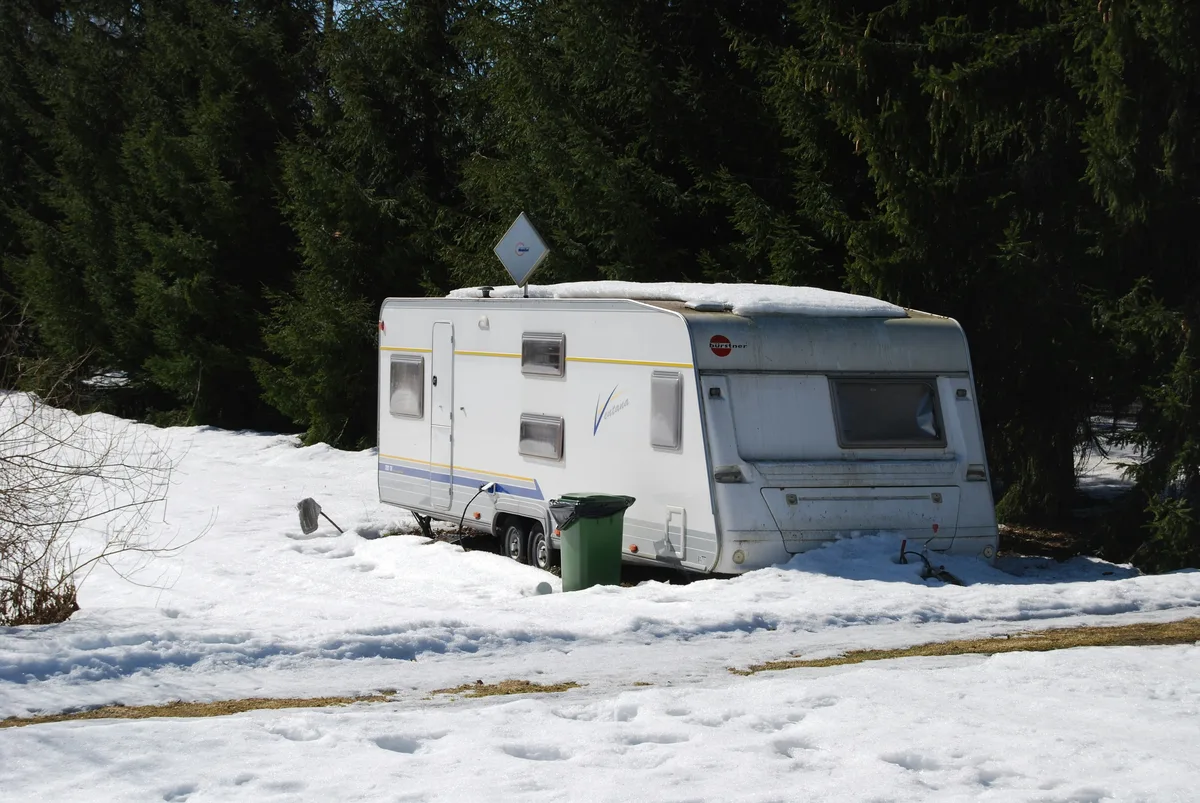
Photo by Patrick Tomasso on Unsplash
Winter RVing is its own skill. The same rig that is breezy in July becomes a cold, pipe-threatened box at 20°F unless you manage heat deliberately. The reward is low prices and empty campgrounds — but only if you protect the plumbing and keep the furnace fed. This covers the strategy and a checklist for a first cold-weather rental.

Photo by Patrick Tomasso on Unsplash
The Core Strategy: Keep the Interior Above Freezing
The furnace is the key. It does double duty — warming you and warming the interior plumbing that runs inside the floor and behind cabinet walls.
- Run the furnace as needed; do not rely on electric space heaters alone off-grid.
- Open cabinet doors under sinks and near the shower so warm air reaches the lines.
- Add a foam mattress topper; the floor radiates cold.
Protect the Tanks
- Ask the owner whether the rental has heated holding tanks or tank heaters.
- Without them, dump and flush before a deep freeze, then minimize fresh-water use.
- Skirt the underside if staying put for days (foam board or a commercial skirt).
- Let a faucet drip during hard freezes to keep water moving.
Heating Without Draining the Battery
The furnace fan draws 12-volt power even when propane does the heating. To stretch battery:
- Use LED bulbs.
- Wear layers and a hat; lower the thermostat a few degrees at night.
- Use a 12-volt blanket instead of running the furnace continuously.
- Recharge the house battery by driving or on shore power during the day.
Roads
- Check conditions before every pass; carry chains where required.
- Slow down on ice; the rig is tall and heavy.
- Fill fuel and the fresh tank before remote winter stretches.
Beginner Winter Checklist
- Rental has a working furnace and full propane
- Tanks heated or you will dump before freezes
- Cabinet doors opened at night
- Faucet drips during hard freezes
- Foam topper and warm layers packed
- Chains carried where required; routes checked
For the systems, see RV water and waste tank basics and the pre-departure inspection.
Quick answers