Boondocking Supplies Checklist for Off-Grid RV Camping
Updated for 2026. Gear up for boondocking with this complete supplies checklist for first-time off-grid RV renters.
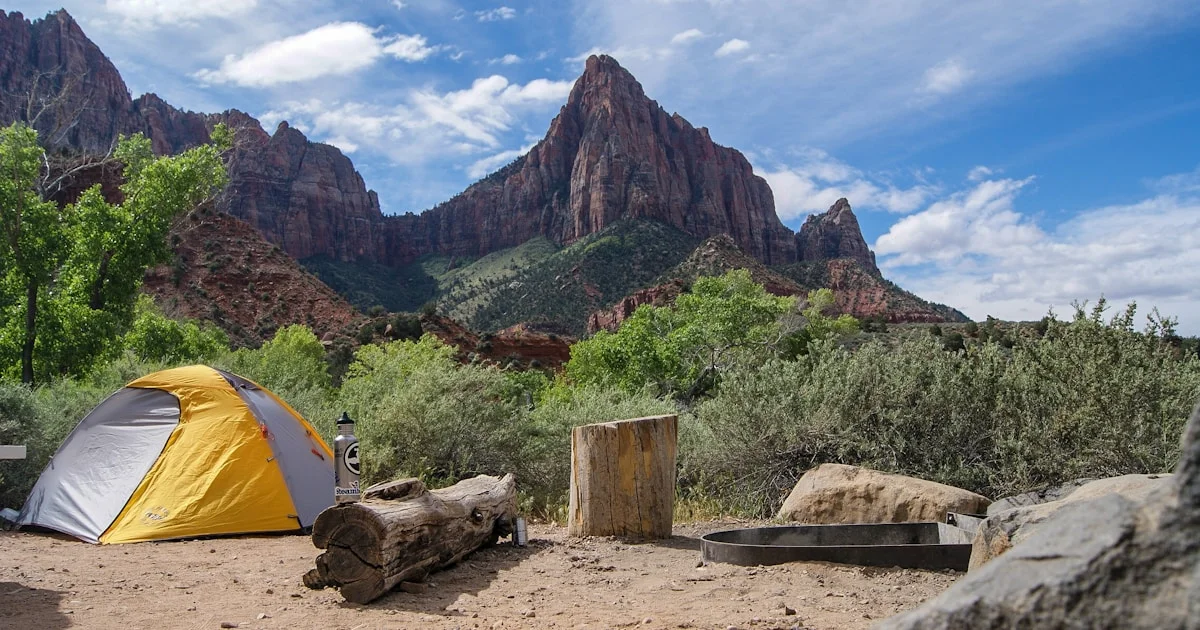
Photo by Pew Nguyen on Unsplash
A full-hookup campground hands you water, power, and sewer on a pedestal. Boondocking removes all three. You become your own utility company, and the supplies you pack decide how long you can stay before something runs out. This checklist covers what first-time renters actually need off-grid — not the endless gadget lists you see online.
Photo by Pew Nguyen on Unsplash
The Three Resources, and What Protects Each
| Resource | Source | What runs out first | What to bring |
|---|---|---|---|
| Fresh water | Onboard tank + jugs | Day 1–2 for a family | Extra jugs, water hose, hose filter |
| Power | Batteries, solar, generator | Day 2–3 | Solar panel, 12V chargers, power bank |
| Waste | Black/gray tanks | When tanks fill | Tank treatment, dump station plan |
The goal is to balance these so they run low at about the same time — ideally right when you planned to move anyway.
Water Supplies
- Collapsible or rigid water jugs (5–7 gal). Fill at a town spigot, visitor center, or campground dump station. Three jugs add 15–21 gallons of buffer.
- Drinking water hose rated for potable use, kept separate from the sewage hose.
- Inline water filter (standard 12-inch camp filter) for unfamiliar spigots.
- A dishpan or collapsible sink so you are not running the faucet to wash dishes.
Plan 2–5 gallons per person per day for drinking, cooking, and basic hygiene. A 40-gallon onboard tank serves two careful people about four days.
Power Supplies
- 12-volt USB chargers for phones and small devices — they pull from the house battery, not an inverter.
- A portable power bank for laptops if you work on the road.
- Solar panel or suitcase panel, if your rental does not have a roof unit. Even 100 watts slows battery drain.
- Generator (if included or rented separately) for air conditioning and battery recharge. Confirm fuel responsibility at pickup.
LED bulbs and skipping the furnace fan at night (wear a layer, use a 12-volt blanket) are the two biggest battery savers.
Waste and Sanitation
- Holding tank treatment (enzyme drop-ins) to control odor in the black tank.
- A plan for the dump station. Know the nearest one before you leave; our dump station guide lists where to find them.
- Biodegradable wipes and a small trash bag system, since you pack out everything you pack in.
Comfort and Safety
- Leveling blocks — undeveloped pullouts are rarely flat, and the fridge only works when reasonably level.
- Wheel chocks and a basic toolkit (the rental may have one; confirm).
- Headlamps and lanterns (not just phone lights) for after-dark setup.
- A paper map or downloaded offline map — cell service is not guaranteed.
- First-aid kit, extra water for people, and a roadside triangle.
- Bug spray and a screen-house or awning if you are in mosquito country.
What You Can Skip
You do not need a composting toilet, a lithium upgrade, or a rooftop satellite for a first boondock. You do not need a second generator. The renters who enjoy off-grid camping most are the ones who started with one night, a full tank, and a charged battery — not the ones who bought every accessory first.
Use the Boondocking Water & Battery Calculator to size your jugs and battery needs before you pack.
Quick answers