Top Mistakes First-Time RV Renters Always Make
Updated for 2026. Learn the 10 most common mistakes first-time RV renters make and how to avoid wasting money and ruining trips.
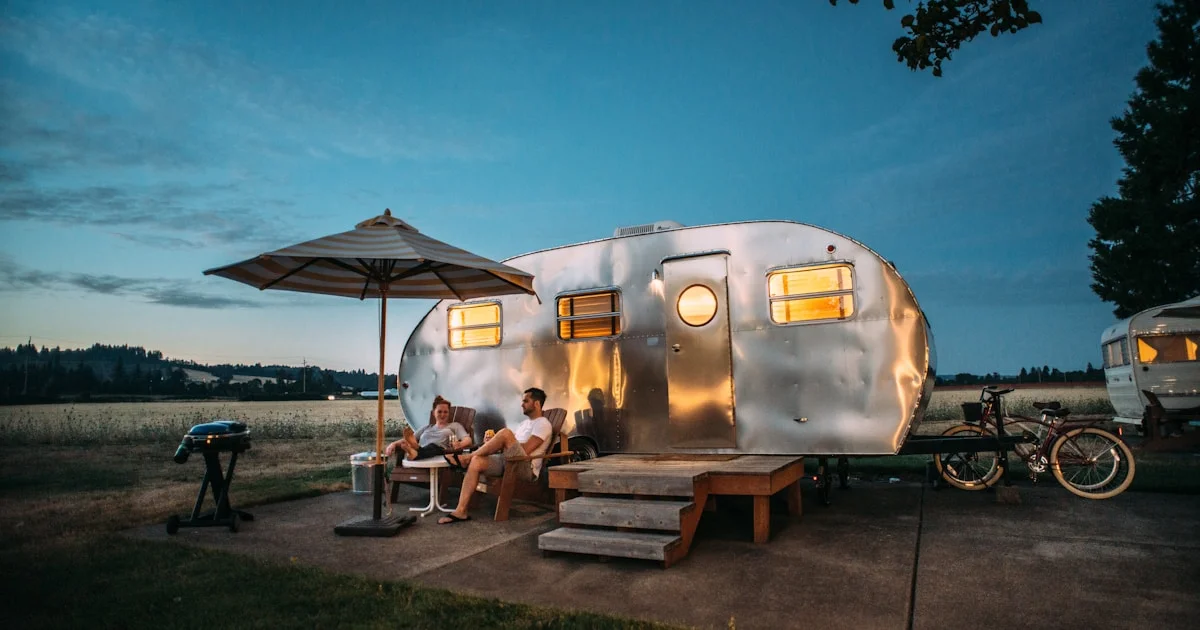
Photo by Roberto Nickson on Unsplash
Every experienced RVer was once a beginner, and almost every beginner has a story about something that went wrong. The good news is that most first-time mistakes are easy to avoid once you know what to watch for. They usually come from rushing the planning or assuming an RV works like home. This covers the mistakes renters make most often and how to prevent each one.
Photo by Roberto Nickson on Unsplash
1. Skipping the Pickup Walkthrough
The pickup appointment is your chance to learn the rig and document its condition. Rushing it is the fastest way to miss a pre-existing dent or fail to learn how to dump tanks. Take photos of every scratch and stain, test lights, water pump, stove, fridge, A/C, and toilet, and have the owner demo the awning, slide-outs, and leveling. A thorough walkthrough takes 45–60 minutes — plan for it.
2. Underestimating Total Cost
The nightly rate is the start. Mileage, generator, insurance, cleaning, and dump fees commonly add 30–60%. Ask for the written all-in total before booking, and see how to avoid hidden fees.
3. Overpacking
A packed-to-the-ceiling rig is hard to drive and wastes the limited storage. Pack for the first three days, plan a laundromat stop, and weigh the loaded rig if you can. See the packing checklist.
4. Booking Campsites Too Late
Prime parks release sites six months out and sell out in minutes. Waiting forces premium private rates. Book anchor sites early; fill gaps with free dispersed options.
5. Ignoring Hookup Types
Booking a no-hookup site with a shore-power-dependent rig means a dead battery and no A/C. Learn full, partial, and dry hookups before reserving.
6. Wrong Rig Size
A 33-foot Class C does not fit a 28-foot site, and tight forest loops block a Class A. Measure real length and match sites. See what size RV.
7. Not Planning Dump Stops
Running both tanks full mid-trip is a problem. Note a dump station every 150–200 miles and before return.
8. Forgetting Return Conditions
Returning dirty or with full tanks triggers cleaning and dump fees. Confirm the standard at pickup and plan a dump stop.
9. Driving Too Many Miles a Day
Booking 350-mile days back-to-back leaves everyone frazzled. Plan 150–250 miles per day and a rest day. See itinerary planning.
10. Skipping the Pre-Departure Check
Leaving without testing tire pressure, lights, and the walk-around risks a roadside issue. Run the pre-departure inspection each travel morning.
Model the whole trip with the RV Trip Budget Calculator.