RV Bathroom Tips for Beginners: Conserve and Stay Comfortable
Updated for 2026. Learn RV bathroom tips for beginners with conservation techniques, dumping guidance, and comfort hacks.
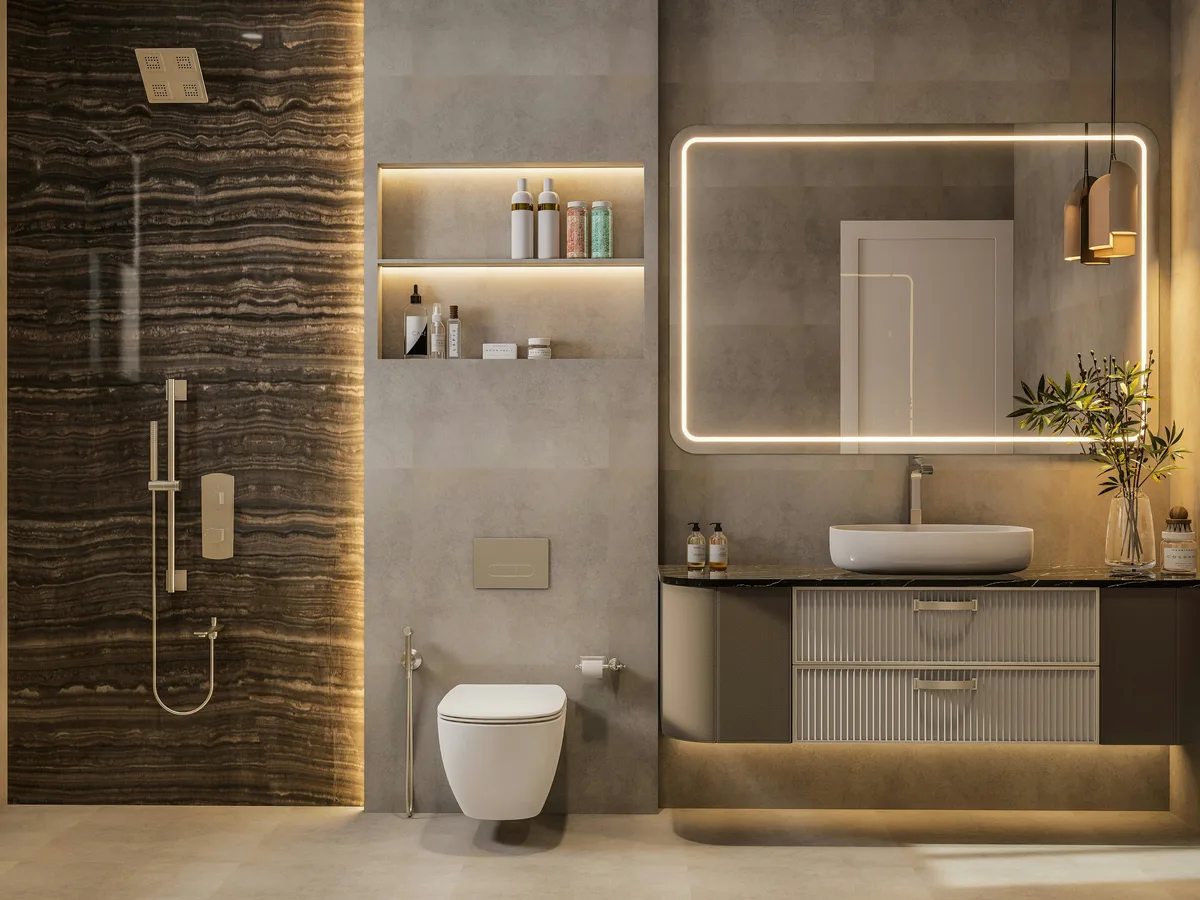
Photo by Maxime Lebrun on Unsplash
The RV bathroom is the system new renters worry about most, and with good reason — it runs on a small fresh-water tank and a sealed black tank, not a municipal sewer. Used well, it is perfectly comfortable for days. Used carelessly, it clogs, smells, and ends a trip early. The fundamentals are conservation and the black-tank rules.

Photo by Maxime Lebrun on Unsplash
How the RV Toilet Works
An RV toilet uses little water and connects to a sealed black tank. You flush with a pedal; waste stays until you dump at a dump station. The only thing that belongs in it is RV-safe toilet paper and human waste.
Never put down the toilet: wipes (even “flushable”), food, feminine products, or non-RV chemicals. They clog the narrow tank and seals.
Conserve Fresh Water
A 40-gallon tank serves a careful family about 2–4 days.
- Take “navy” showers: wet, lather, rinse.
- Turn off the tap while brushing.
- Use a dishpan instead of running water for shaving or washing.
- Fix any drip at the faucet or pump promptly.
Black Tank Rules
- Dump when the tank is about two-thirds full — not when empty.
- Do not leave the black valve open at a full hookup; let solids stay covered so they rinse out on dump.
- Dump the black tank first, then the gray, so gray water rinses the hose.
- Add a tank treatment (enzyme drop-ins) to control odor.
- Keep the tank a little topped with water after dumping to avoid a dry, smelly residue.
Comfort Hacks
- A small bath mat prevents slips on the shower floor.
- A mesh caddy keeps toiletries in place while driving.
- A fan or the roof vent running during use controls moisture and smell.
- Keep a roll of RV-safe paper and a small trash bin for everything else.
For the wider water system, see RV water and waste tank basics.
Quick answers