How to Rent an RV for the First Time: A Practical Beginner Checklist
A step-by-step first-time RV rental guide: choosing the right rig, comparing platforms, understanding the true cost, the pickup inspection, and a printable beginner checklist.
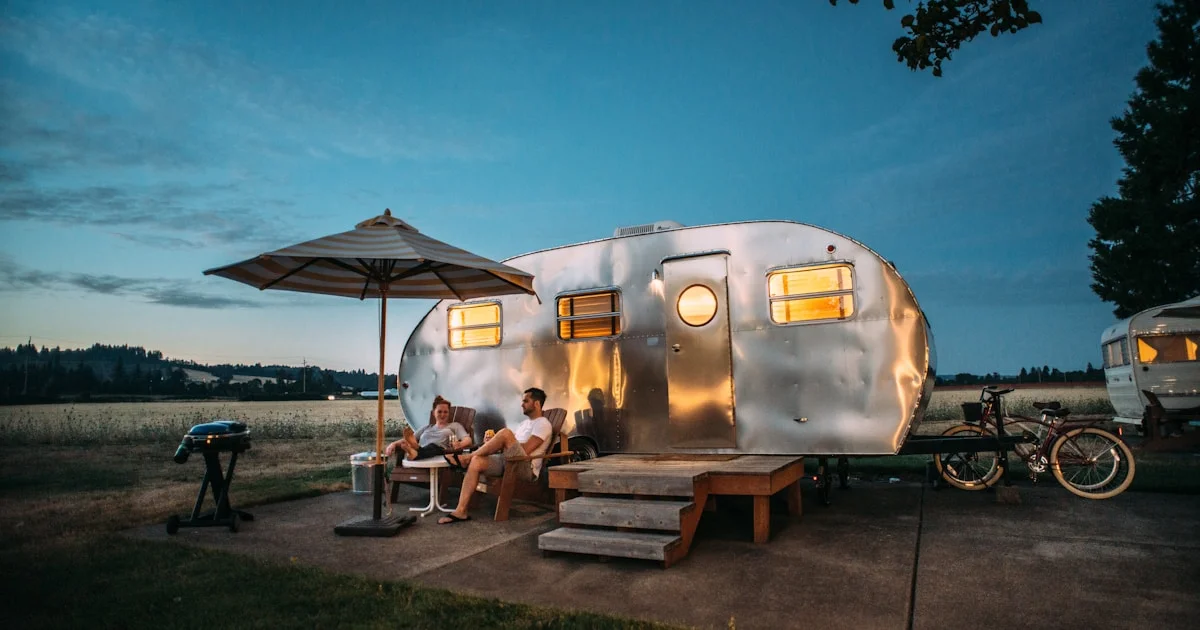
Photo by Roberto Nickson on Unsplash
Renting an RV for the first time is like planning a small move while learning to drive a larger vehicle. You get a bedroom, kitchen, bathroom, and transportation in one unit — which is the appeal, and why a little structure up front saves stress later. This covers the whole arc: choosing what to rent, comparing platforms, understanding the real cost, the pickup inspection, and return.
Photo by Roberto Nickson on Unsplash
Start With the Right RV Type
Before you open a listing, be honest about who is traveling and what the trip looks like.
- Class C motorhomes are the default for first-timers — drive like a large box truck, bed over the cab, usually 24–28 feet, manageable for a beginner.
- Class B camper vans are easiest to park and most fuel-efficient, but tight for more than two people.
- Travel trailers give the most room for the money, but need a tow vehicle with the right hitch and capacity, plus backing skill.
- Class A motorhomes are largest and most comfortable, but size and sightlines make them a poor first rental.
- Pop-up / expandable trailers are the cheapest and lightest, but offer less weather protection.
Compare the Two Marketplaces
- Peer-to-peer (Outdoorsy, RVshare): lower prices, negotiable, owner-set rules; you meet the owner at pickup.
- Nationwide fleets (Cruise America, El Monte): standardized, one-way options, easier for beginners; pricier per night.
Understand the True Cost
The nightly rate is the start. Ask for the written all-in total including mileage, generator, insurance, cleaning, and dump fees. Our RV Rental Fee Calculator estimates it from your route.
The Pickup Inspection
Walk around with the owner and photograph:
- Exterior dents, scratches, and tread wear
- Windshield and roof for cracks
- Tire condition and pressure
- Appliances (fridge, stove, furnace, A/C) working
- Water pump and tank condition
- All lights and signals
- Leveling jacks, hose, and power cord present
- A written record of the starting mileage and fuel
Use the full pre-departure inspection as your checklist.
Return Conditions
Confirm at pickup what “returned clean” means: tanks emptied? fresh tank full? interior wiped? Unknown return rules are the most common source of deposit disputes.
A Printable Checklist
- Picked RV type for group and route
- Compared peer-to-peer vs. fleet
- Got written all-in price
- Booked campsites (see how to book)
- Photographed rig at pickup
- Confirmed return conditions
For the broader budget, see the RV Trip Budget Calculator.
Quick answers