RV Trip Itinerary Planning: Step-by-Step for Beginners
Planning your first RV trip? Learn RV trip itinerary planning with a daily driving limit, campground booking timeline, and a practical beginner checklist.
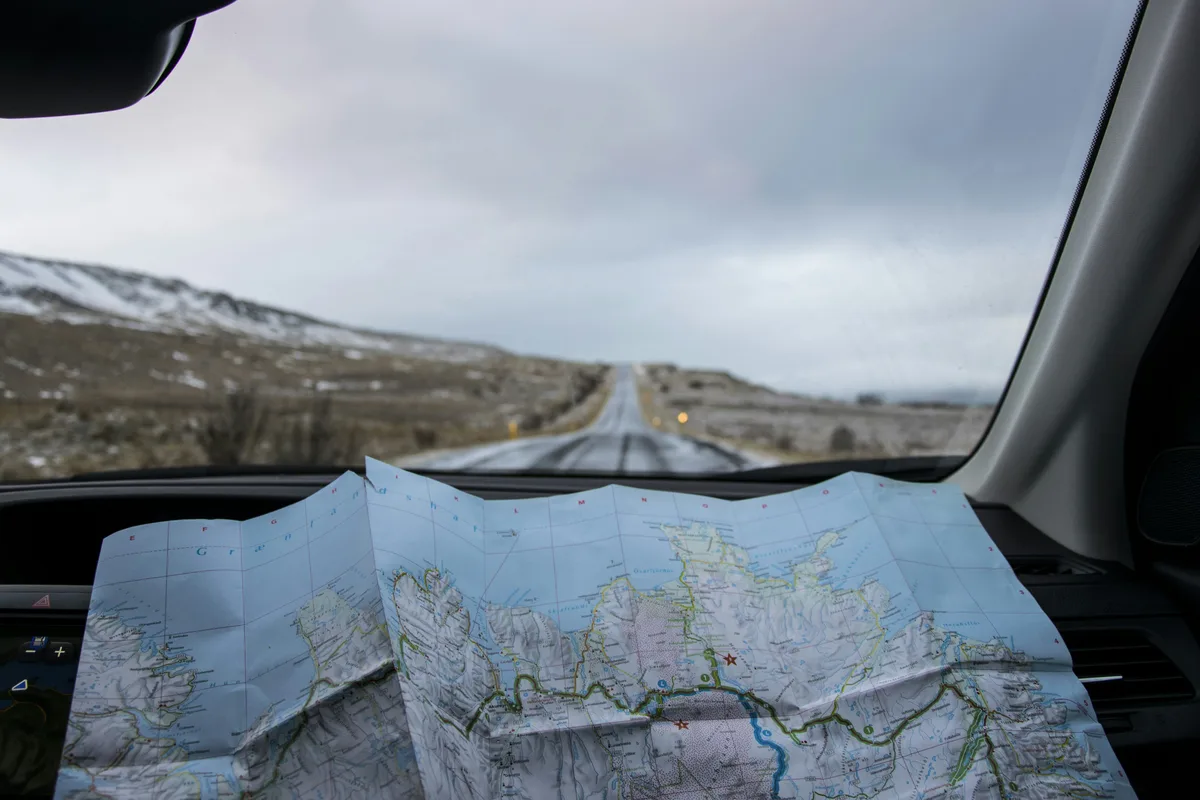
Photo by Austin Neill on Unsplash
A good RV itinerary is not a packed sightseeing list — it is a drive plan with room to breathe. The most common first-timer error is scheduling 350-mile days back-to-back, then arriving frazzled and skipping the things they drove to see. This covers the daily driving limit, the booking timeline, and a build order that works.

Photo by Austin Neill on Unsplash
Set a Realistic Daily Driving Limit
- First-timers: 150–250 miles per day. That is 2.5–4.5 hours of actual driving in a slow, tall vehicle, plus setup and breaks.
- Travel days: 300–400 miles is possible but tiring; keep them rare.
- Build in a rest day every 3–4 driving days.
Plan Fuel and Dumps Along the Route
RV services are less common than car gas stations. Note a fuel stop and a dump station every 150–200 miles, and confirm your rig’s height against any low-clearance bridges with an RV-specific GPS.
Booking Timeline
| What | When to book |
|---|---|
| National park campgrounds | 6 months ahead (Recreation.gov) |
| State parks and private parks | 2–8 weeks ahead |
| Free dispersed sites | On arrival |
| The rental itself | 3–6 months ahead for summer |
Build Order
- Pick 2–3 must-see stops.
- Connect them with daily drives under your limit.
- Book the rental for those dates.
- Book anchor campsites near the must-sees; fill gaps with cheap or free options.
- Add a rest day mid-trip.
A Planning Checklist
- Daily drives 150–250 miles
- A fuel/dump note every 150–200 miles
- Anchor campsites booked 6 months out for parks
- One rest day scheduled
- Route checked for low bridges/weight
- Backup park 20–40 miles out
For a full budget alongside the plan, use the RV Trip Budget Calculator.
Quick answers