Can You Bring Pets in a Rented RV? Rules and Preparation Checklist
Updated for 2026. Travel with pets in a rented RV with complete rules, preparation tips, and pet-friendly strategies.
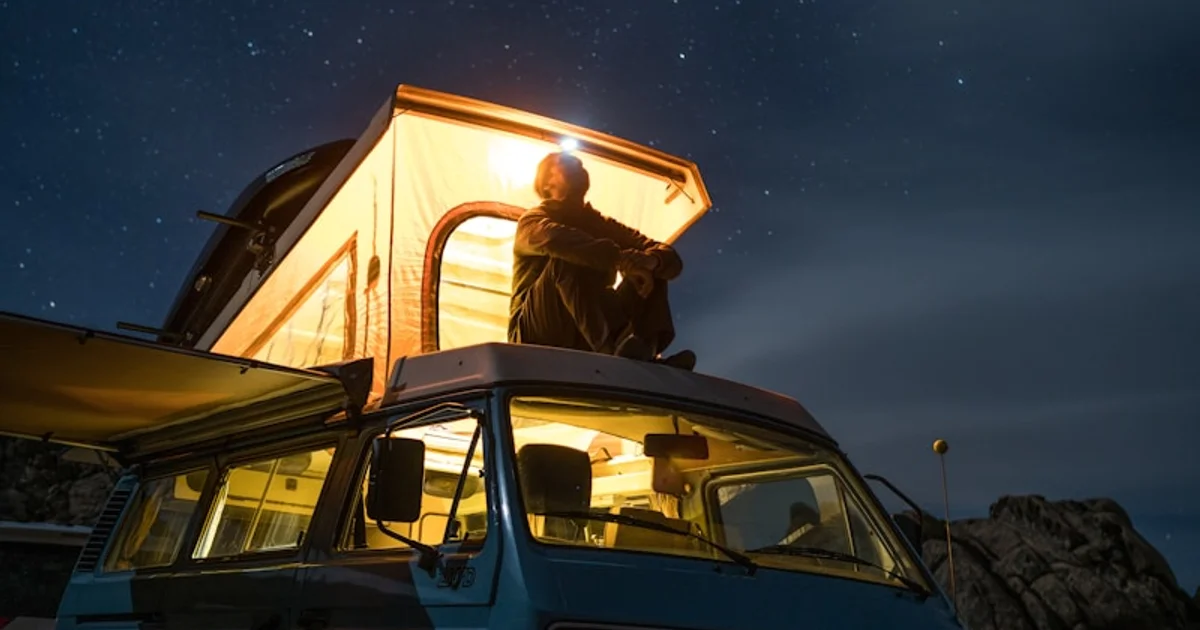
Photo by Joshua Woroniecki on Unsplash
Bringing your dog or cat on an RV trip is one of the best parts of renting instead of flying — but only if the pet is actually allowed. The single biggest mistake first-time renters make is assuming pets are welcome, then discovering at pickup that the owner has a strict no-pets clause. That can mean a three-hour drive home or a scramble for boarding.
Photo by Joshua Woroniecki on Unsplash
Pet Policies Are Set by the Owner
Filtering a platform for “pets allowed” is only the start. On peer-to-peer sites like RVshare and Outdoorsy, each owner writes their own rule. Two identical motorhomes on the same site can have opposite policies. Before you book, confirm in writing:
- How many pets, and any weight limit
- Whether cats are allowed (many owners allow dogs but not cats)
- Breed exclusions
- A non-refundable fee vs. a refundable deposit
- Any requirement for vaccination proof
Nationwide fleets (Cruise America, El Monte) use a standard policy — usually a flat per-pet fee around $100–$150, with breed and weight limits. Easier to plan, but still not a blanket yes.
Documents to Carry
- Current rabies vaccination certificate — many campgrounds ask for it at check-in.
- General vaccination records.
- Health certificate if you cross a state line (some states require it within 10–30 days; Hawaii has strict quarantine rules and is impractical for RV travel).
- Vet contact info and proof of flea/tick prevention, especially in the Southeast and Midwest.
Before You Pick Up
- Photograph the interior at pickup, including upholstery and flooring, so pet hair at return is not charged as new damage.
- Pack a pet kit: food, bowls, leash, waste bags, crate or harness, familiar bedding, medications, and a copy of records.
- Bring a crate or seat harness. An unsecured pet in a 30-foot motorhome is a projectile in a hard stop.
On the Road
- Secure the pet in a crate or with a harness tether while driving.
- Stop every two to three hours for a walk, water, and a bathroom break.
- Never leave a pet in a closed RV in warm weather. Interior temperature climbs past 100°F within minutes even with windows cracked — this is the leading cause of pet injury on RV trips.
- Keep food and water consistent to avoid stomach upset; a tired dog from a pre-trip walk travels more quietly.
At the Campground
- Most campgrounds require pets leashed (usually 6 feet) and picked up after.
- National parks allow pets in campgrounds and on paved roads, but not on most trails, in visitor centers, or in the backcountry — plan accordingly.
- Some private parks restrict breeds or number of pets; check before arriving.
Cleaning and Return
Assume you will be charged a pet cleaning fee unless the contract says otherwise. Vacuum thoroughly, wipe surfaces, and wash any bedding you brought. Document the cleaned condition at return the same way you did at pickup. A $50–$250 fee is normal; damage or odor beyond normal hair can mean a larger charge against your deposit.
For the full trip plan, see our RV pre-departure checklist.
Quick answers