RV Pre-Departure Inspection Checklist: Avoid Costly Return Fees
Updated for 2026. Learn the RV pre-departure inspection checklist to avoid costly return fees. Step-by-step guidance for first-time renters.
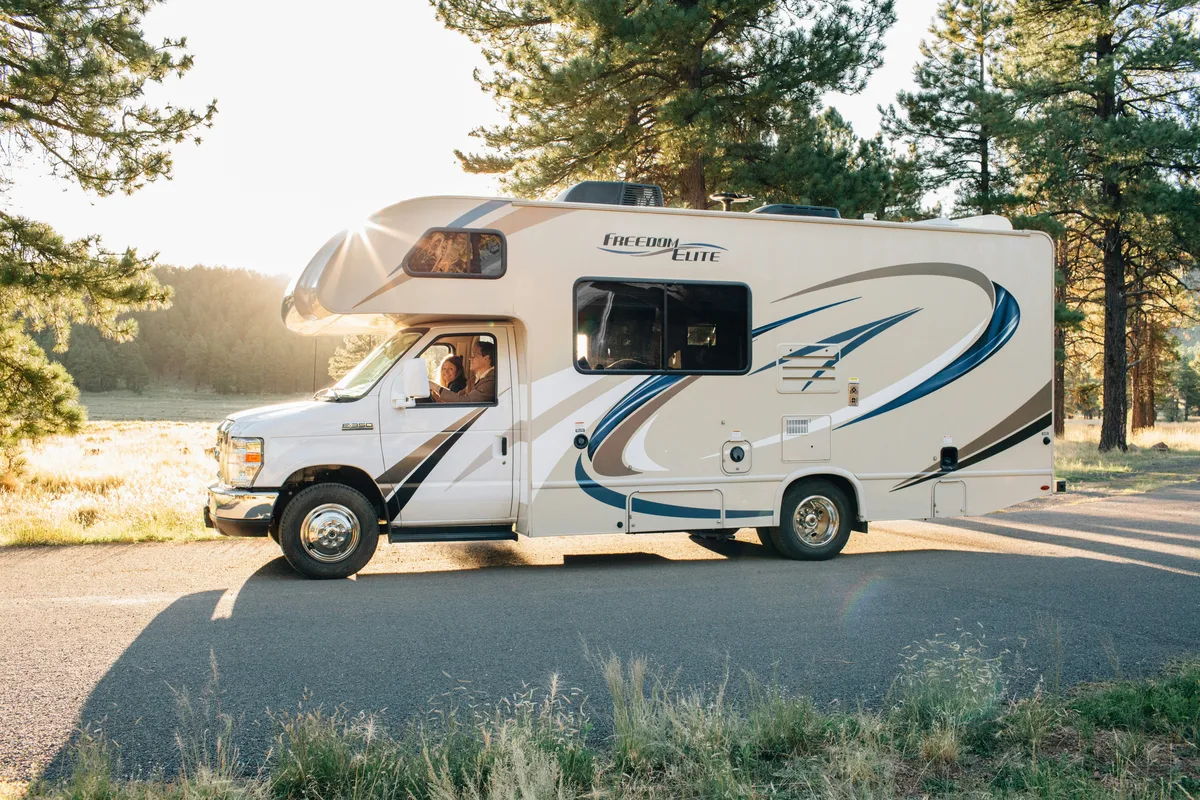
Photo by Willian Justen de Vasconcellos on Unsplash
The pre-departure inspection is the two-minute routine that saves renters from the most expensive and embarrassing return fees: a shredded awning, an unlatched fridge that dumped its contents, or a tank valve left open in transit. It’s a walk-around before you drive away from any site—or the rental lot. Do it every time and it becomes automatic.

Photo by Willian Justen de Vasconcellos on Unsplash
Why It Matters
Most return damage isn’t from driving—it’s from leaving something open, unlatched, or connected. An awning caught by a gust while driving, a slide-out left extended, or a sewer hose still attached are all avoidable with a checklist. The rental company charges for what they find; the inspection is how you leave clean.
Outside the RV
- Disconnect utilities: water hose, sewer hose, and power cord—store them in the designated bays.
- Retract the awning: every time, even if you’ll re-set up soon. Wind is the enemy.
- Retract slides (if equipped) once on shore power is disconnected.
- Raise the steps if your model stows them.
- Close roof vents and skylights.
- Walk around: confirm nothing hangs low, no hose drags, and the clearance is safe.
Inside the RV
- Secure loose items: books, dishes, and phones rattle or fly on the first turn.
- Latch the fridge and cabinet doors: an unlatched fridge door opens and spills.
- Close overhead compartments.
- Propane: turn the valve off at the tank if you won’t need it driving (confirm the company’s policy on fridge-on-propane).
- Tank valves: confirm gray and black valves are closed for transit.
At the Rental Lot (Final Return)
- Empty and rinse both tanks to avoid dumping/cleaning fees.
- Do a basic interior clean (crumbs, linens per the agreement).
- Walk the exterior with the agent and note any new marks.
- Keep your pickup photos as the before/after record.
Common Mistakes
- Leaving the awning out “just for the drive to the next site.”
- Forgetting the sewer hose is still connected.
- Not latching the fridge; it opens at the first brake.
- Skipping the walk-around because “you’re in a hurry.”
FAQ
Q: Do I need to do this at every stop? A: Yes—every departure, even a short move within a park. It takes two minutes and prevents the big fees.
Q: Should the awning always be in? A: Always while driving. Retract it even if you’ll reset up soon; a gust can tear it.
Q: Is the propane valve off before driving? A: Usually yes; turn it off unless the rental allows the fridge on propane while moving.
Q: What if I forget and something breaks? A: You’re typically responsible. The inspection is cheap insurance against that.
Q: Do I clean before returning? A: A basic clean and empty tanks avoid cleaning and dumping fees. Check your rental agreement.
The departure check is the last thing you do and the first thing that protects your deposit. Make it a habit and returns are uneventful.
Use our RV Pre-Departure Checklist so nothing gets missed.
Quick answers