National Park RV Camping Guide: Reservations and Size Limits
Updated for 2026. Camp in national parks with RV-specific permits, reservations, and beginner-friendly strategies.
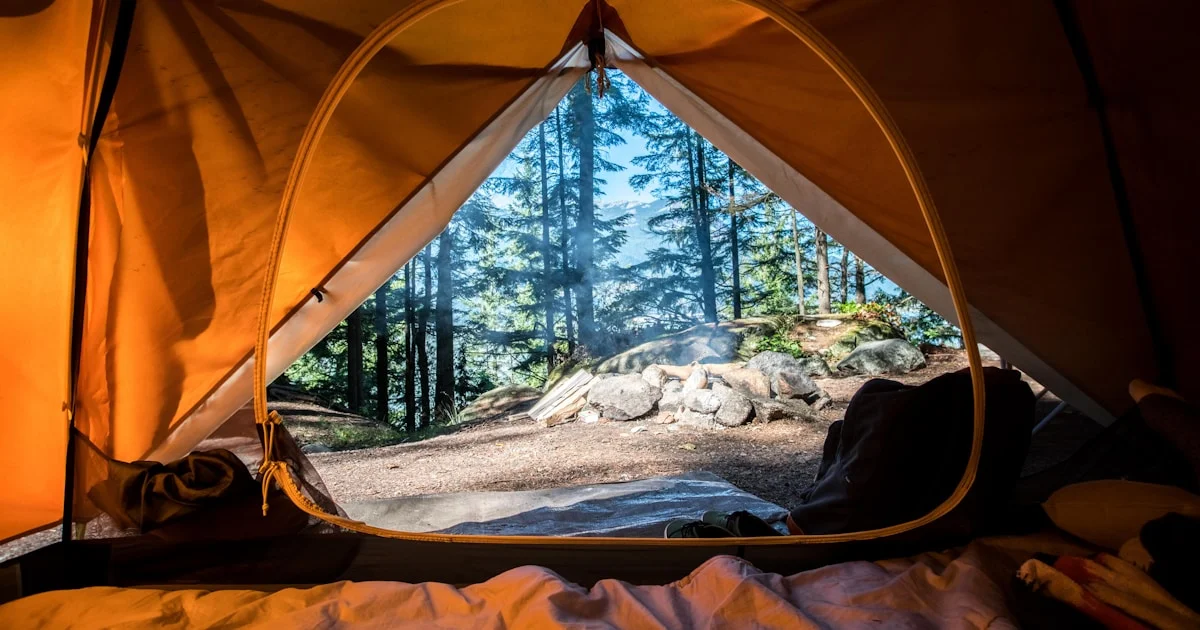
Photo by Aaron Burden on Unsplash
National park RV camping is the dream that pulls many first-time renters into RV travel: waking up inside the park, steps from a trailhead, beats driving in from a hotel miles away. But booking a site and fitting your rig into a park campground involves rules that catch beginners off guard.
Photo by Aaron Burden on Unsplash
Start with the find RV campsite quiz to narrow which campground type fits your rig, then dig into the reservation details below.
How National Park Campground Reservations Work
Nearly all national park campgrounds reserve through Recreation.gov on a rolling window. Most sites open six months in advance at a set time (often 10:00 a.m. Eastern), and the most popular fill within minutes.
Key facts:
- The window is rolling. If today is January 22, sites for July 22 become available today.
- Some parks differ. Yosemite uses a lottery and shorter windows; always check the park page.
- First-come, first-served sites still exist. Many parks hold 20–50% of sites for walk-ups, but these are unreliable in peak season.
- You can modify reservations on Recreation.gov if availability exists, minus a small fee.
Set a calendar alert for the release date and have backup dates and parks ready.
Size Limits: Measure Before You Book
Park campgrounds were built for smaller vehicles than today’s rentals. Limits range from 20 to 40 feet, and most accommodate rigs up to about 30 feet. Individual sites within the same campground vary, so check the specific site listing — not just the park’s general limit.
Common tight spots for renters:
- Zion, Yosemite Valley, Acadia — short pads, tight loops, low branches.
- Rocky Mountain, Glacier — some long sites, but many under 30 feet.
- Great Smoky Mountains — mostly no hookups, length limits per loop.
If you rented a 33-foot Class C, filter explicitly and read the pad length. A rig that overhangs the pad blocks the road and annoys neighbors.
Hookups: Plan to Be Self-Sufficient
Most park campgrounds offer no hookups or electric only (and often 30-amp, not 50). That means:
- Conserve fresh water; no spigot at the site.
- Use your house battery and propane; the fridge and furnace run on propane.
- The roof air conditioner needs a generator or is unusable — many parks limit or ban generators in certain loops.
- Plan a dump station visit; most parks have one but not at every loop.
Generator Rules
Generators are allowed only during posted hours, typically something like 8–10 a.m. and 5–7 p.m. Quiet-hours rules are enforced, and some loops are generator-free. If you need AC in summer (Desert Southwest parks), confirm generator hours before booking or pick a private park nearby.
Beginner Strategy
- Pick one or two “anchor” parks and book the day the window opens.
- Choose a site length with margin and note the hookup type.
- Reserve a paid private park 20–40 miles out as a backup if the park is full.
- Use the park’s dump station on the way out.
- Consider shoulder season (May, September) when sites are easier and cooler.
Our RV Trip Budget Calculator helps you balance park campground fees against private-park backups.
Quick answers