RV Generator Guide for Renters: Power Off-Grid
Updated for 2026. Use an RV generator with confidence: types, noise rules, fuel, and off-grid power tips.
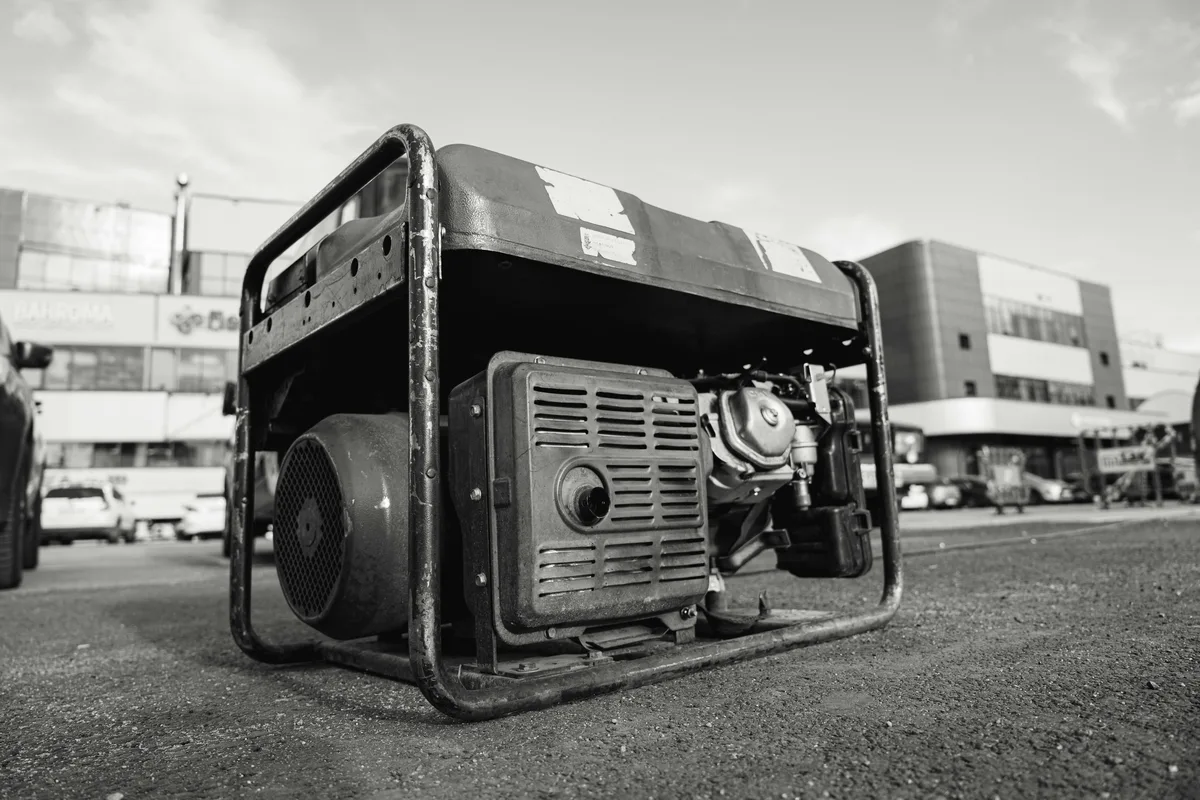
Photo by Tom Eversley on Unsplash
A generator is what turns a no-hookup site into a usable base: it runs the air conditioner, microwave, and standard outlets when you are not plugged into shore power. But not every rental has one, and the ones that do come with rules about noise, fuel, and hours. The renters who get surprised are the ones who assumed the roof A/C would work off-grid without checking.

Photo by Tom Eversley on Unsplash
Do You Even Have One?
- Class A and many large Class C: usually yes, built-in.
- Small Class C, Class B, travel trailers: often no — confirm at booking.
- Built-in units draw from the RV’s propane or gas tank; portable ones use their own fuel can.
If you need the air conditioner off-grid (Desert Southwest summer), confirm a generator and its fuel responsibility before you pay.
What a Generator Runs
Inverter generators supply clean power for sensitive electronics and run the 120-volt loads:
- Roof air conditioner
- Microwave
- Standard outlets and chargers
It does not run the furnace (propane + 12-volt fan) and does not add fresh water. Plan battery and water separately, per RV electronics essentials and boondocking water.
Noise and Hours
Every campground enforces quiet hours, typically 8 or 10 p.m. to 7 or 8 a.m. Generators must be off then. Daytime limits also exist in some generator-free loops. Running one past quiet hours is the fastest way to a complaint to the host.
Fuel Responsibility
Ask at pickup:
- Does the generator run on the RV’s propane or gas?
- Who pays to refill — you, on return?
- Is there a daily hour cap?
Portable generators use a fuel can you supply and refill yourself.
Off-Grid Power Plan
- Confirm the generator and fuel terms at pickup.
- Run it during allowed hours only.
- Use it to recharge the house battery and run the A/C in heat.
- Charge devices while it runs, so you are set after quiet hours.
- Lean on battery and propane (fridge, furnace) when the gen is off.
For tank and water limits, see RV water and waste tank basics.
Quick answers