Do You Need RV Rental Insurance? (2026 Beginner's Answer)
Updated for 2026. Learn whether RV rental insurance is required, what it covers, and how it compares to your car policy.
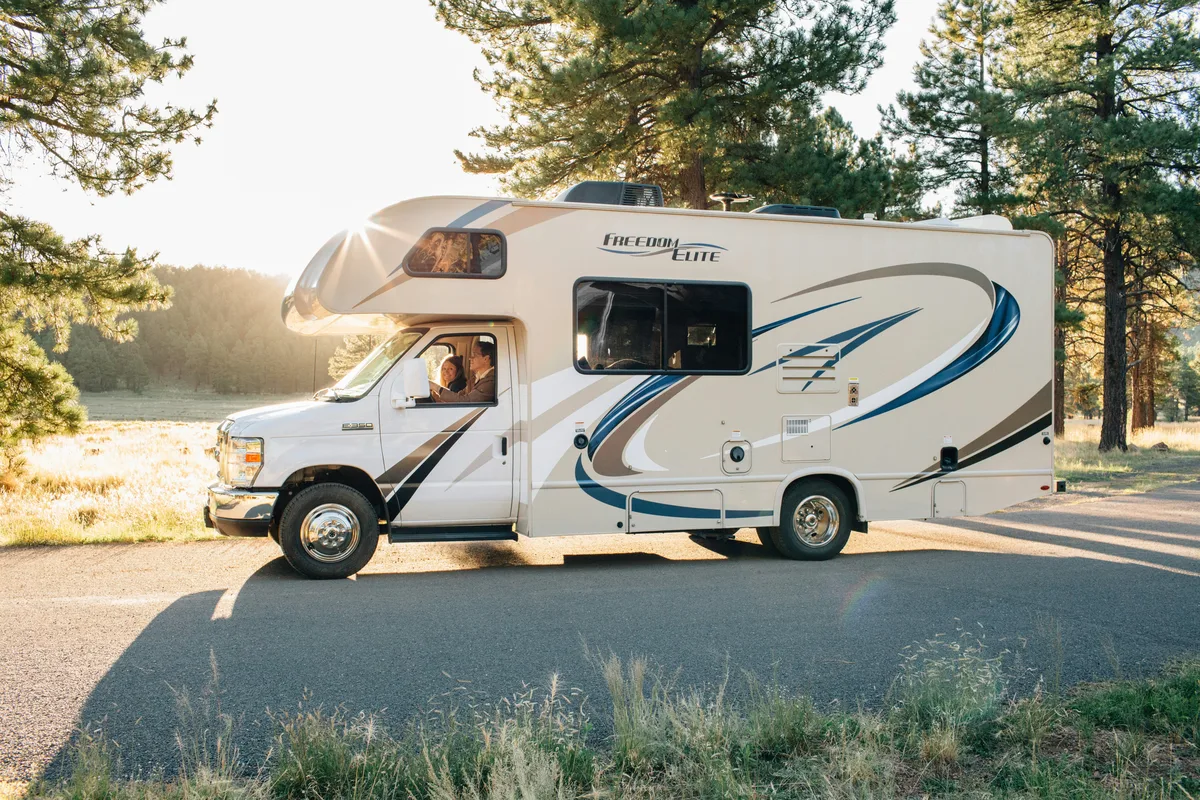
Photo by Roberto Nickson on Unsplash
Short answer: yes, you need some form of RV rental insurance, because almost no personal auto policy covers a rented motorhome, and driving without liability is illegal. The question is not whether to carry coverage, but where it comes from and how much you pay. This covers what is required, what your existing policies likely do not cover, and how to choose.

Photo by Roberto Nickson on Unsplash
For the full breakdown of coverage types, see our RV rental insurance guide.
What Is Legally Required
Liability coverage — the part that pays if you injure someone or damage their property — is required to drive in every U.S. state. You can satisfy it through the rental company, a platform plan, your own policy, or a credit card, but it must exist. On top of that, most rental companies and peer-to-peer platforms require you to carry physical damage coverage for the rig itself, or they will not hand over the keys.
What Your Existing Coverage Probably Doesn’t Do
- Personal auto policy: most exclude rented motorhomes and trailers over a set weight or length. Calling your insurer is the only way to know — do not assume.
- Credit card rental benefits: many premium travel cards cover rental cars, but exclude large motorhomes and trailers. The issuer’s fine print usually caps weight or length well below a typical RV.
- Homeowner’s or renter’s policy: may cover personal belongings inside the rig, but not the vehicle or liability from driving it.
Where Coverage Can Come From
| Source | Good for | Watch out for |
|---|---|---|
| Rental company plan | Simple, bundled | Usually the priciest per day |
| Peer-to-peer platform plan | Tiered, often included base | Read the deductible and exclusions |
| Your own auto policy | Free if it extends | Rarely extends to RVs |
| Credit card | Free if it qualifies | Usually excludes RVs |
| Standalone RV policy | Frequent renters | Upfront cost |
How to Decide
- Call your auto insurer and ask specifically about rented motorhomes and trailers.
- Call your credit card issuer about RV exclusions.
- Compare the platform’s plan against a standalone policy for your trip length.
- Pick a deductible you could cover out of pocket.
- Add roadside assistance if the rig is older or your route is remote.
Common Gaps to Avoid
- Interior damage (stains, broken fixtures) is often excluded.
- Tire and windshield damage is frequently excluded.
- Roof access damage is usually excluded.
- Off-road or “high-clearance only” use voids coverage.
Photograph the rig at pickup and return to support any claim, and pair this with the RV Rental Fee Calculator to see the insurance line in your total.
Sources
- State financial-responsibility laws — Every U.S. state requires drivers to carry at least minimum liability coverage (or post equivalent proof of financial responsibility) to operate a vehicle legally. The exact required limits differ by state; verify them with your state’s Department of Motor Vehicles.
- National Association of Insurance Commissioners (NAIC) — publishes consumer guidance on auto and recreational-vehicle insurance and explains how coverage rules vary by state.
- Your rental contract — Outfits such as Cruise America, RVshare, and Outdoorsy set their own physical-damage and liability requirements in the agreement you sign. Read the deductible, exclusions, and roadside terms before you take the keys.
- Your personal auto insurer and credit-card issuer — Only they can confirm whether your policy or card benefits extend to a rented motorhome. Review your policy declarations page and the cardholder agreement’s rental-vehicle section (most travel-card benefits exclude large vehicles).
Disclaimer: This guide is informational only and is not insurance, legal, or financial advice. Required limits, coverage availability, and policy terms differ by state and provider and change over time. Confirm the specifics with a licensed insurance agent and the rental company before your trip.