RV Camping Etiquette: The Unwritten Rules Every Camper Should Know
Updated for 2026. Learn essential RV camping etiquette with unwritten rules, neighborly tips, and campground courtesy.
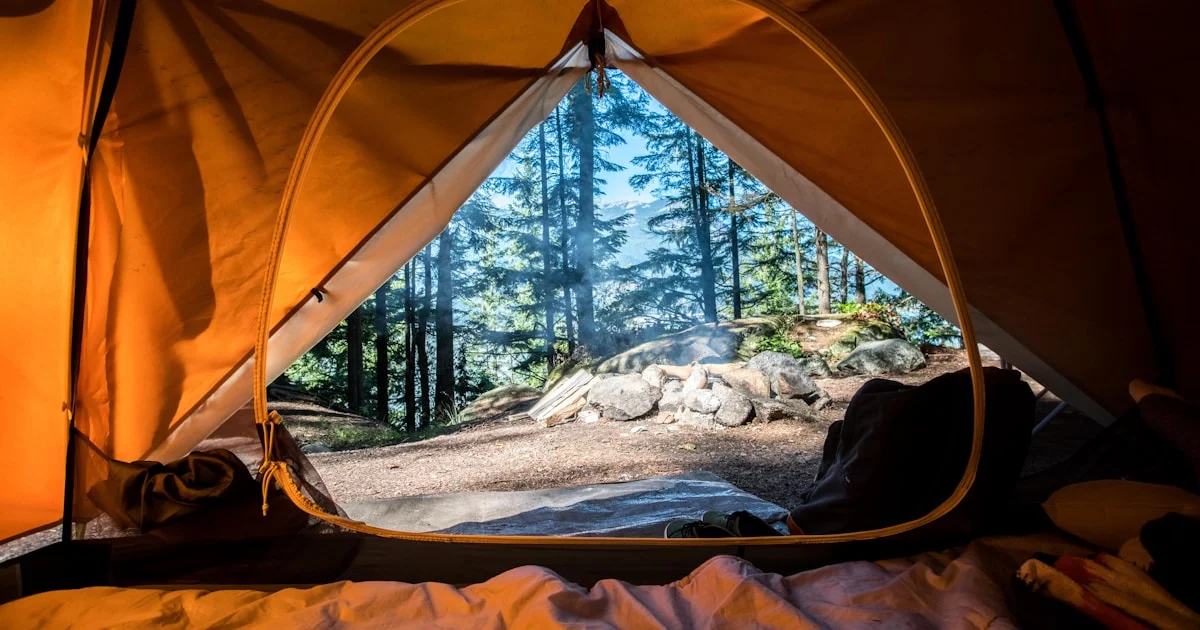
Photo by Joshua Woroniecki on Unsplash
Every campground has written rules, but most also run on a set of unwritten expectations that experienced campers follow and beginners learn the hard way. RV camping etiquette is not about formality — it is about sharing a small space with strangers so everyone enjoys their stay. Campground culture is generally welcoming and forgiving; most seasoned RVers remember their first trip and will help.
Photo by Joshua Woroniecki on Unsplash
Arrival Sets the Tone
Pulling in at 9 p.m. with headlights blazing and the engine rumbling makes an impression — not a good one. Arrive in daylight when you can, ideally before the office closes.
If you must arrive late:
- Drive slowly, 5 mph or less.
- Use parking lights instead of headlights if the layout allows.
- Set up only the essentials: level, plug in, connect water.
- Save awnings, furniture, and full setup for morning.
- Keep voices low — sound carries in a quiet campground.
Respect Site Boundaries
- Do not walk through a neighbor’s site; use roads and paths.
- Keep slides, awnings, and vehicles on your side of the line.
- If your rig is too wide, ask the host before extending into a neighbor’s space.
- The picnic table and fire ring mark the edges of your site.
Quiet Hours
Most campgrounds enforce quiet hours, typically 10 p.m.–6 a.m. (some 9 p.m.). During them:
- Lower voices; no loud music or movies.
- Turn off generators (see the generator guide).
- No running drills, saws, or slide-outs.
Pets and Kids
- Leash pets and clean up; never leave them barking in a closed rig.
- Supervise children near fire rings and other sites.
- Keep balls and toys off neighbors’ pads.
Leave No Trace
- Pack out trash; use the dumpster, not the bush.
- Dump tanks only at a dump station.
- Leave the site cleaner than you found it; the next camper thanks you.
For neighbor relations at free sites, see boondocking etiquette.
Quick answers