3-Day Yellowstone RV Itinerary: Geysers and Wildlife
Plan a 3-day Yellowstone RV trip with this beginner-friendly itinerary. Includes Old Faithful, Grand Canyon of the Yellowstone, and campground tips.
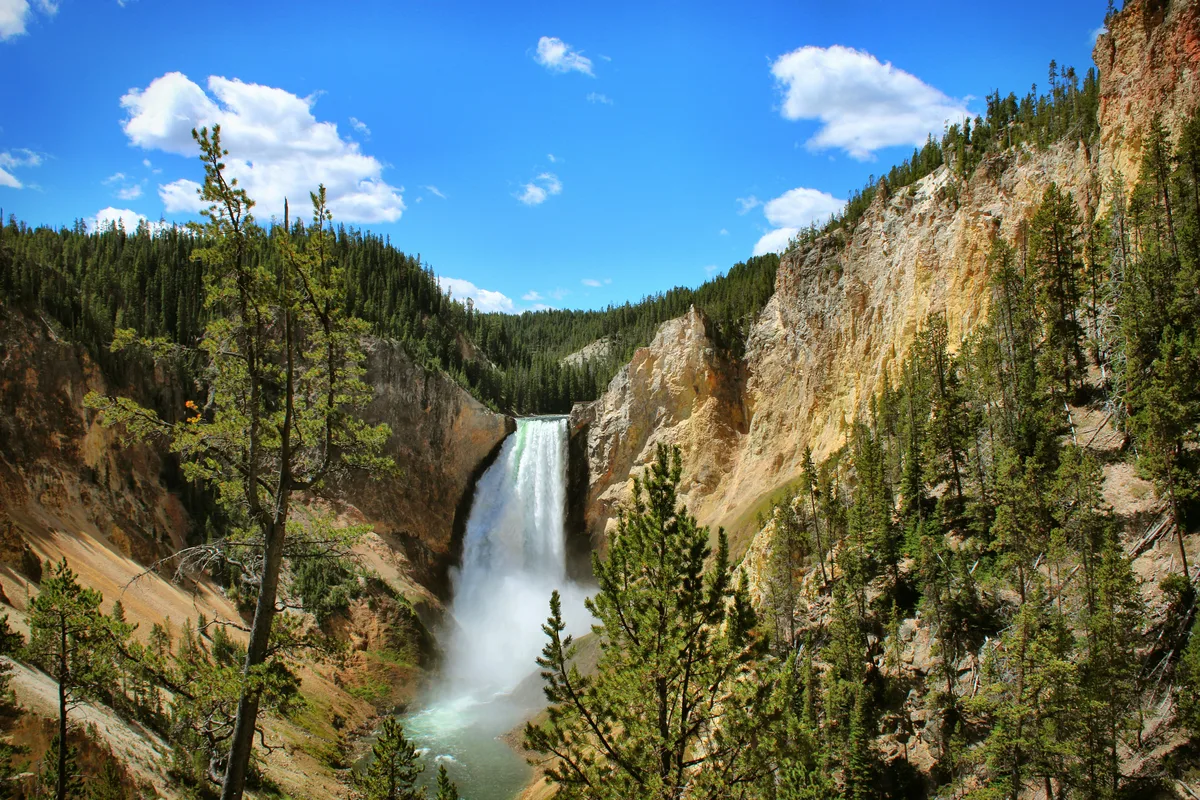
Photo by Sebastian Staines on Unsplash
Yellowstone is the country’s first national park — 2.2 million acres of geysers, canyons, and wildlife, with a figure-eight road system linking the sights. Three days covers the highlights if you camp inside the park. Book campgrounds through Yellowstone’s concessioner (Yellowstone.gov) or Recreation.gov the day the six-month window opens; in-park sites are scarce and summer fills within minutes.

Photo by Sebastian Staines on Unsplash
Day 1: Lower Loop — Geysers and the Canyon
- Camp: Madison Campground (central, good for a two-night base) or Bridge Bay.
- Morning: Old Faithful and the Upper Geyser Basin boardwalks. Time your arrival for a predicted eruption (posted at the visitor center).
- Afternoon: drive the lower loop to the Grand Canyon of the Yellowstone — Upper and Lower Falls, and the rim trails at Artist Point.
- Wildlife: bison and elk are common near Madison and Hayden Valley; stay 100 yards from bears and wolves, 25 yards from other large animals.
Day 2: Upper Loop — Mammoth and Lamar Valley
- Morning: Norris Geyser Basin (the hottest, most acidic in the park).
- Midday: Mammoth Hot Springs terraces, then the Roosevelt Arch at the north entrance.
- Late afternoon: Lamar Valley — the best wildlife viewing, especially at dawn and dusk (wolves, bison, pronghorn).
- Return to your Madison or Bridge Bay base.
Day 3: Lake and West Thumb
- Morning: Yellowstone Lake and the West Thumb Geyser Basin on the lakeshore.
- Optional: a short walk at Mud Volcano.
- Afternoon: exit via West Yellowstone (Montana) or Gardiner, both with RV services, fuel, and grocery stores.
RV Notes
- Size limits: many in-park campgrounds cap RVs at 30–35 feet, and some loops are tight for big Class A units. Check the site length before booking. No hookups at most in-park sites — plan to conserve water and power.
- Generator hours: posted and enforced; the roof A/C is unusable outside those windows.
- Fuel: fill up before entering; in-park gas is pricey and far apart.
- Bears: all food and toiletries must go in provided lockers or the RV; never leave them out.
- Road work: summer construction causes timed delays; check the park’s road status before you drive.
For the wider trip, see our national park RV camping guide and the RV Trip Budget Calculator.