How to Inspect an RV at Pickup: Complete Walkthrough for Beginners
Updated for 2026. Inspect your RV at pickup with a complete beginner's walkthrough, a photo checklist, and the exact damage points renters miss.
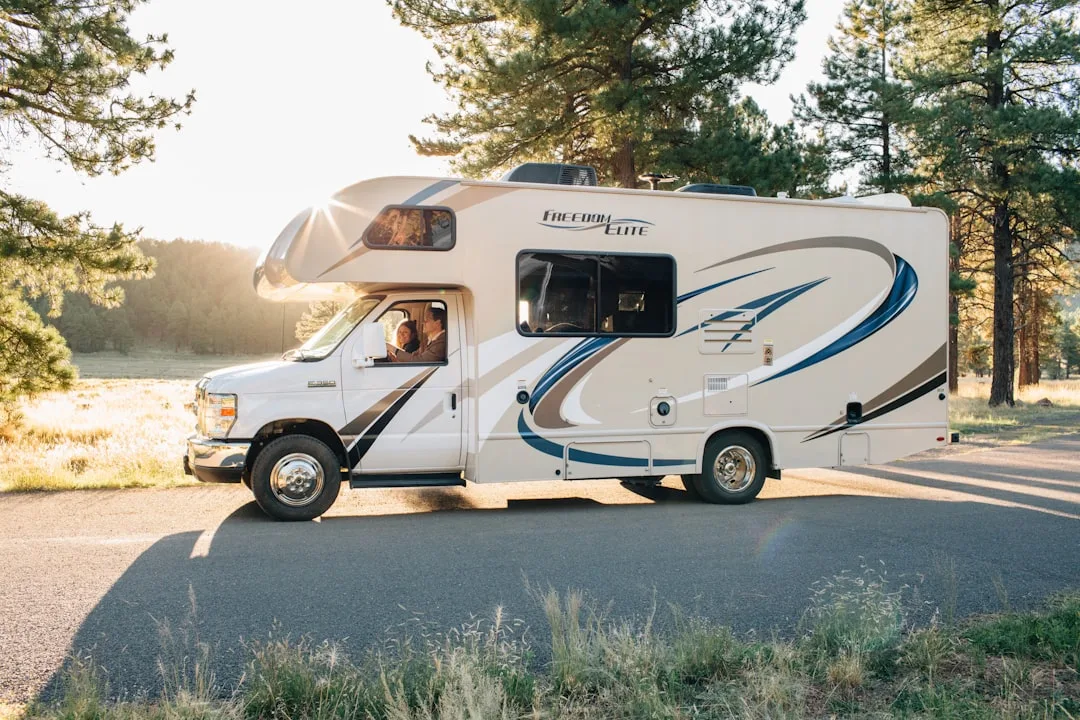
Photo by Sincerely Media on Unsplash
The pickup inspection is the most important few minutes of your rental. It is when you document the rig’s condition so you are not charged later for damage that was already there. A thorough walk-around also confirms the systems work before you are 100 miles from help. Budget 30–60 minutes; do not rush it because you are eager to leave.
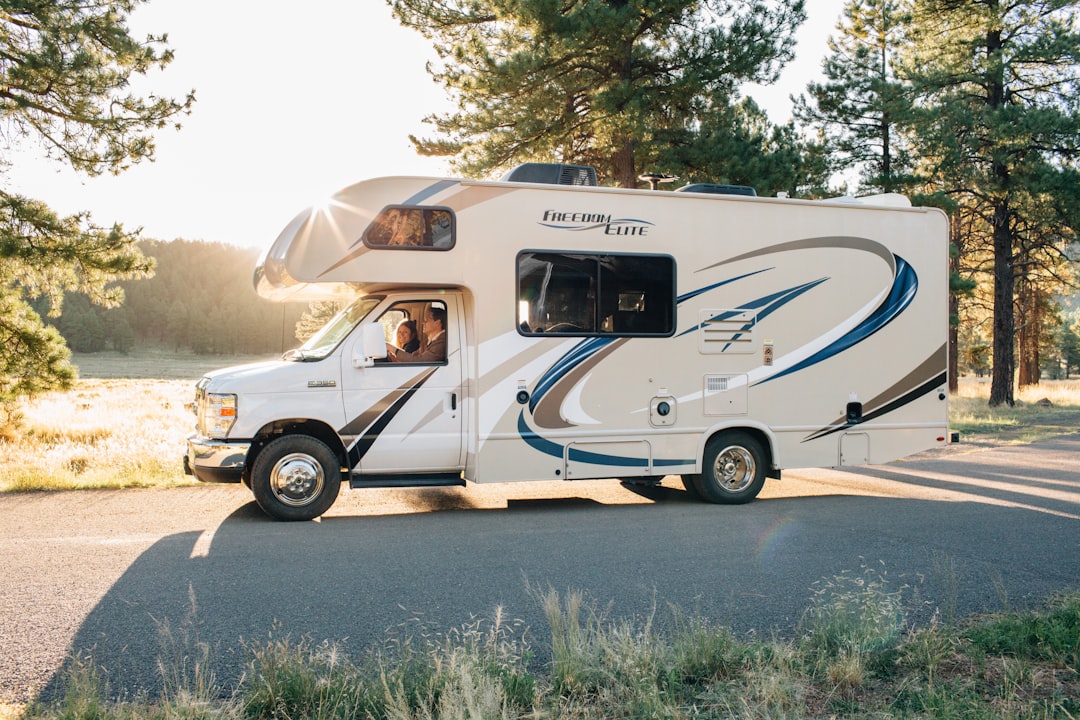
Photo by Sincerely Media on Unsplash
Bring the RV Pre-Departure Checklist, a charged phone for photos, a flashlight, and a second person if possible.
The Photo Checklist (Shoot All of These)
| Area | What to capture |
|---|---|
| All four sides | Wide shots in good light, plus close-ups of every scratch, dent, or chip |
| Roof edges & seams | Cracks, stains, or soft spots that signal leaks |
| Tires | Tread, sidewall cracks, bulges; the door-jamb pressure spec |
| Windows & seals | Cracks and stains that indicate leaks |
| Dashboard gauges | Starting mileage and fuel level |
| Interior ceiling/walls | Water stains or soft spots |
| Appliances | Fridge, stove, furnace, A/C, water heater running |
| Plumbing | Under-sink areas during a pump test; toilet flush |
| Existing damage | Close-ups with a finger or coin for scale |
Photograph the rig from all four sides plus the dashboard. At return, the same photos prove the condition you left with.
Exterior Walk-Around
- Tires: check tread, sidewall cracks, and bulges; verify pressure against the door-jamb spec. Confirm the spare is inflated and accessible.
- Body: photograph every dent, scratch, and chip, especially the roof edges and rear corners that are easy to miss.
- Windows and seals: look for cracks and stains that indicate leaks.
- Height: note the rig’s height (usually on a sticker near the mirror) for low-clearance and fuel-station planning.
- Awning, steps, hitch: extend/retract the awning to check for tears; check steps and hitch for rust or looseness.
Interior + Systems Test
- Appliances: run the fridge, stove, furnace, and A/C (on shore power) to confirm they work. The fridge takes time to cool — confirm it starts and the control responds.
- Water system: turn on the pump, check for leaks at fittings, and verify the toilet and shower drain.
- Lights and outlets: test interior and exterior lights, and the 12-volt and 120-volt outlets.
- Slide-outs and jacks: operate them if equipped; watch for binding or leaks.
- Generator: start it and confirm output if the rig relies on it off-grid.
- Detectors: test the LP (propane) and CO/smoke detectors using the test button.
Paperwork and Gear
- Starting mileage and fuel level recorded
- Propane level noted
- Leveling blocks, sewer hose, fresh-water hose, and power cord present
- Manual and roadside contact provided
- Damage documented in the rental app or on a signed sheet
- Open items written on the report so you are not charged later
Common Mistakes
- Inspecting in poor light or rain — reschedule or use a flashlight.
- Assuming “they already know” about a dent — write it down anyway.
- Skipping the appliance test to save time.
- Forgetting to get the report signed or emailed dated.
Our full pre-departure inspection covers the walk-around before each driving day, but the pickup check is the one that protects your deposit.
FAQ
Q: How long should the pickup inspection take? A: About 30–60 minutes for a careful walk-around plus appliance and systems tests. Treat it as part of the rental, not an optional extra.
Q: What if I find damage at pickup? A: Note it on the condition report and photograph it. The company or owner should acknowledge it before you leave so you are not blamed later.
Q: Do I really need to test the appliances? A: Yes. Confirming the fridge, furnace, water heater, and stove work means you are not charged for a pre-existing fault you did not report.
Q: What if the lot is closing soon? A: Do the exterior and interior photos quickly, email them to the company dated, and finish the systems test at your first stop.
Q: Should I record the mileage and fuel? A: Always. These are the baseline for return, and a discrepancy at drop-off is your responsibility unless you documented the start.