RV Trip Meal Planning Ideas to Save Time and Money on the Road
Updated for 2026. Plan delicious RV meals with beginner-friendly recipes, prep strategies, and camp cooking tips.
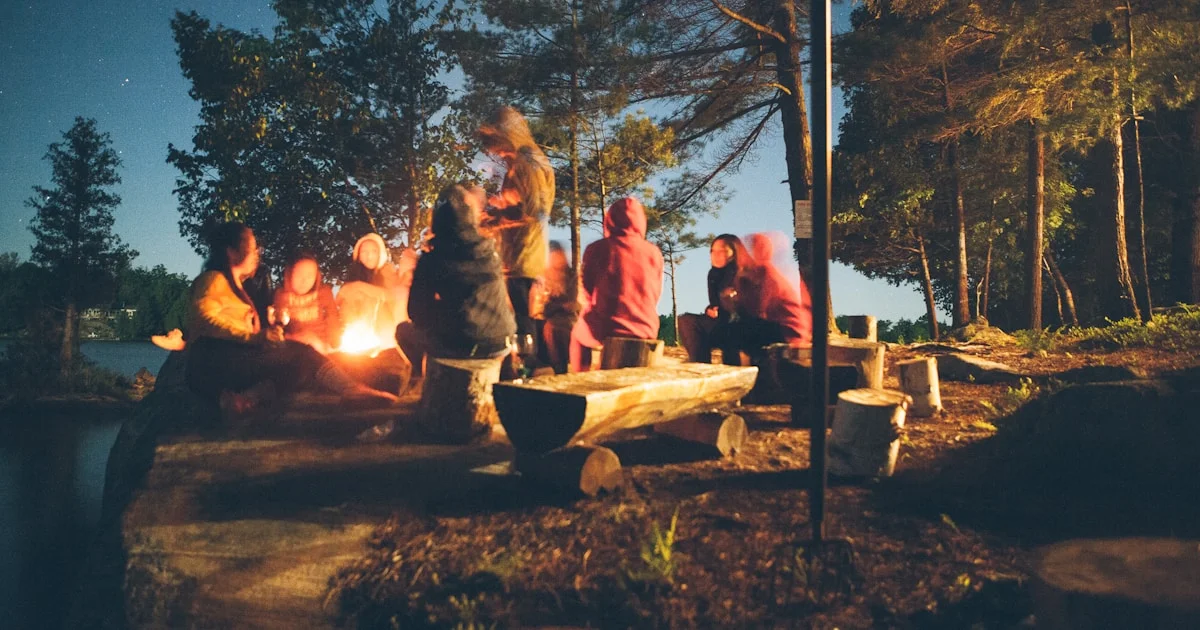
Photo by Toa Heftiba on Unsplash
Feeding a family from a kitchen the size of a closet is one of the biggest surprises first-time renters hit. The fridge is smaller, the stove has fewer burners, and counter space is nearly gone. Without a plan, you eat cold sandwiches for three days or spend far more than you meant to at restaurants.
Photo by Toa Heftiba on Unsplash
A solid meal plan fixes both problems at once. It keeps the food budget in check and turns cooking into a low-stress part of the trip instead of a nightly scramble.
Before you plan the menu, run our RV Trip Budget Calculator to see what cooking in the RV saves versus dining out.
Why Planning Matters More in an RV
At home, a missing ingredient means a quick store run. In an RV, the nearest grocery may be 40 miles down a two-lane road, and the camp store sells hot dogs at triple price. Planning ahead is about more than money—it removes the daily decision fatigue that wears a trip down.
A good plan gives you three things:
- A short, realistic grocery list (no wasted food)
- Meals that fit a two-burner stove and a small fridge
- Less time thinking about dinner and more time outside
Build the Menu Before You Shop
Start with the trip length and the nights you’ll cook versus eat out. Then assign simple meals:
- Night 1: easy—tacos or pasta (things you can prep at home)
- Midweek: one-pot chili or stir-fry
- Last night: use up perishables before the cooler empties
Keep each meal to a few ingredients. A short list is a list you’ll actually use.
Shop and Prep at Home
Do the big shop before you leave, not at the campground store. Chop vegetables, marinate meat, and pre-portion breakfasts at home where you have space and a full fridge. Load the RV fridge full—it holds temperature better when packed—and pre-chill items in your home fridge first. A small thermometer in the fridge tells you it’s holding below 40°F.
Cook Smart in a Small Kitchen
- One-pot meals (pasta, chili, stir-fry, tacos) use minimal dishes and cook fast.
- Sheet-pan meals work if you have an oven: vegetables and protein on one pan.
- Breakfast for dinner is cheap and easy when energy is low.
- Cooler for the overflow: keep drinks and raw meat in a well-iced cooler so the fridge isn’t crammed.
Manage the Cooler and Fridge
Pack the cooler with block ice or frozen bottles (they last longer than cubes). Keep raw meat sealed and on the bottom. Restock ice at gas stations every day or two. Most fresh food lasts three to five days in a packed fridge plus cooler; after that, lean on canned and dry goods and buy produce in small-town stores along the route.
Use the Campfire (Where Allowed)
Many public and private campgrounds allow charcoal or wood fires in the ring. Foil-pack dinners—protein, potatoes, and vegetables sealed in foil—cook over coals with zero dishes. Check fire rules first; some areas ban open fires in dry months.
Avoid the Restaurant Trap
Cooking saves roughly 50-70% versus eating out every meal. You don’t have to cook every night—plan two or three restaurant meals as part of the budget and cook the rest. A family of four spending $100-$150 a day on groceries beats $50-$80 per person per day at restaurants.
A little planning turns the small RV kitchen from a frustration into an advantage. Shop at home, cook simple, and the savings show up in both your wallet and your evenings.
Quick answers