How to Boondock in a Rented RV Without Experience 2026
Updated for 2026. Learn how to boondock in a rented RV as a complete beginner: location, water management, power, and safety.
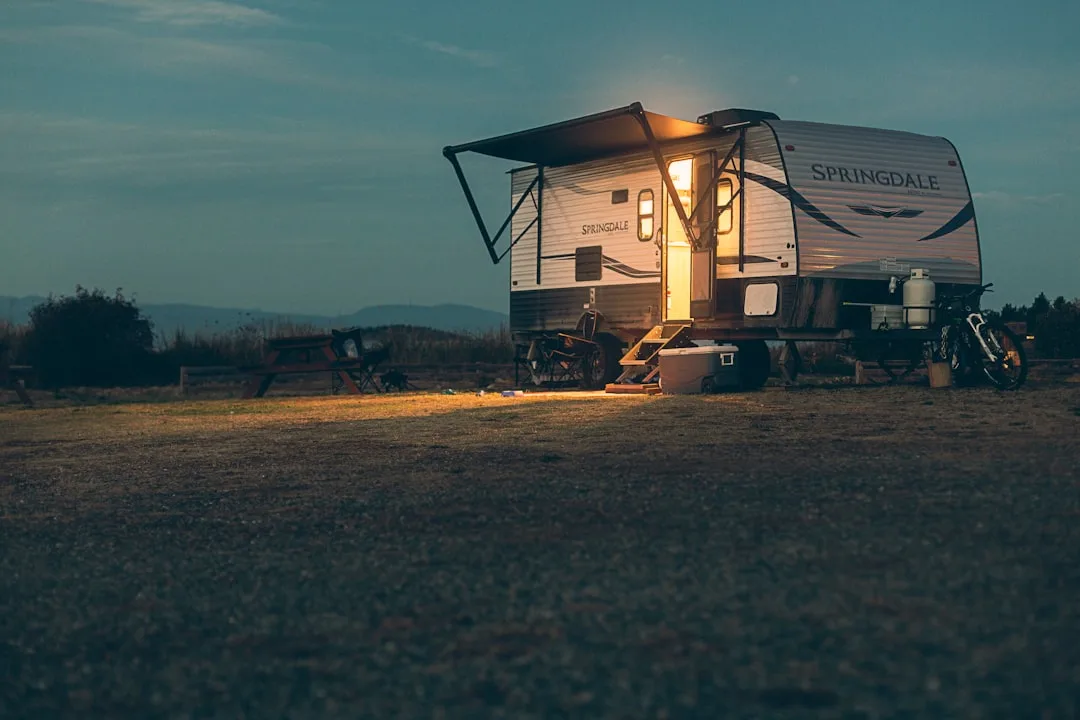
Photo by Unsplash
Boondocking with zero off-grid experience sounds intimidating, and a little of that fear is healthy. The renters who get into trouble are the ones who drove three hours down a washboard road, discovered the battery was dead at 9 p.m., and had no cell signal. The ones who love it started one night at a spot they could walk away from the next morning.
This is a practical first-timer sequence: confirm permission, pick a beginner spot, manage the three resources, and know when to bail.
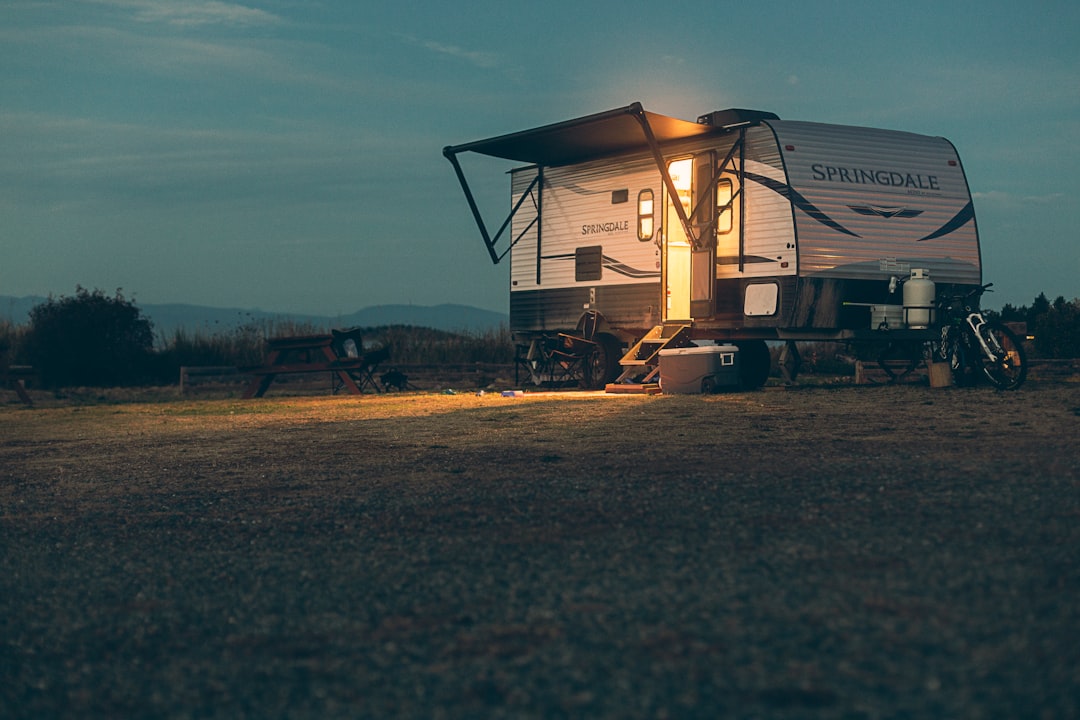
Photo by Hugo Sousa on Unsplash
Step 1: Confirm the Rental Allows It
Read the off-grid section of your contract before you book. Peer-to-peer hosts on RVshare or Outdoorsy set their own rules; nationwide fleets like Cruise America and El Monte print theirs in the standard agreement. Watch for bans on dirt roads, generator hour caps, and return conditions (tanks emptied, fresh tank refilled). Get permission in writing if the contract is unclear.
Step 2: Pick a Beginner Spot
For your first time, choose a location that is:
- Within an hour of a town or a full-hookup campground
- Reachable on a paved or graded road (no “high-clearance only” warnings)
- Listed on Campendium or iOverlander with recent, positive reviews
- Inside a known BLM or national forest dispersed area (14-day limit), not private land
Avoid “I heard you can camp anywhere out there” advice. If a gate, sign, or NO CAMPING post is present, move on.
Step 3: Fill Everything Before You Leave
- Fresh water tank full, plus any jugs
- House batteries charged
- Propane full (runs fridge, furnace, cooktop)
- Generator fueled and tested, if included
- Phones and power banks charged while still on shore power
Test the systems at the rental pickup or the last hookup you had. Finding out the water pump is dead is far better in a parking lot than at a trailhead.
Step 4: Manage Water Aggressively
Water is the first thing to run out. Stretch it by:
- Using a dishpan instead of running the tap
- “Navy” showers: wet, lather, rinse
- Paper plates and cups for at least one meal a day
- Brushing teeth with a bottle of water, not the faucet
A 40-gallon tank lasts two careful people roughly four days. A family of four should plan to leave or refill by day two.
Step 5: Manage Power
The furnace fan, water pump, and lights draw 12-volt power even when nothing else is on. The roof air conditioner will drain a battery bank in minutes and needs a generator or shore power. Save power by:
- Switching to LED bulbs
- Running the furnace only to take the edge off a cold night
- Charging phones from 12-volt outlets, not an inverter
- Using a small solar panel if the rental has one
Step 6: Know When to Bail
Leave if any of these happen: the fresh tank is below a quarter with no refill plan, the battery is low and there is no sun or generator, or weather turns (flash flood risk in desert washes, snow at elevation). Boondocking rewards self-awareness more than grit. The goal is to come back wanting to do it again, not to survive a mistake.
Use the Boondocking Water & Battery Calculator to estimate your limits before you go, and tell someone your location and return time.
Quick answers